
Oyster shells for chickens
What They Are, Why They Matter, and How to Use Them
Calcium is a foundational and critical mineral for laying hens to produce eggs with healthy, strong shells, and for their overall wellness. Crushed oyster shells provide a clean and natural source of this calcium. Here we’ll discuss the reality of using them for your flock. The good, the bad, the necessary, the optional. Let’s dive in.
Oyster shell solves one specific problem. It gives laying hens access to extra calcium when their bodies need more than their feed provides. That is the whole job. It is a useful job, and worth doing well, but it is one input in a system, not a cure for everything that can go wrong with an egg.
A laying hen moves a remarkable amount of calcium through her body every day, and the goal is to make the right calcium available, separately, so each laying hen can take what she needs, when she needs it.
What oyster shell actually is
Oyster shell for poultry is exactly what it sounds like. Dried, crushed oyster shells from the seafood industry, ground into pieces sized for a chicken to swallow. It is roughly 95% to 96% calcium carbonate, which makes it a concentrated and soluble source of calcium. That solubility is the point. Inside the hen, it dissolves and releases calcium her body can use. Importantly, it is not feed, just supplemental calcium.
Why laying hens need so much calcium
An eggshell is also about 96% calcium carbonate, just like an oyster shell. Every shell a hen produces has to be built almost entirely out of calcium, and she builds most of it overnight, before she lays. A laying hen’s daily calcium need for egg production is roughly 2 to 2.5 grams, a large share of which comes from her feed and the rest from her own skeleton and any supplemental calcium available.
When a hen runs short on dietary calcium, her body pulls it from her bones to finish the shell. She can do this for a while, but sustained shortfall erodes her skeleton. Chronic calcium depletion in high-producing hens leads to osteoporosis and the bone weakness known as “cage layer fatigue.” So calcium is not only a shell issue, it is a hen-health issue.
Shell quality depends on more than calcium, though, and it helps to know the other levers as well. Phosphorus has to be present in the right ratio, since a hen needs it to metabolize calcium properly even though the shell itself contains very little. Vitamin D3 is required to absorb calcium at all. Age matters: older hens lay larger eggs with the same calcium budget, so shells thin out over time. And feed intake, heat, stress, disease, and a hen’s overall production level all affect shell quality.
Why oyster shell usually belongs in a separate dish
Not every bird in a backyard flock needs the same amount of calcium. A hen at peak lay needs a great deal. A molting hen who has stopped laying needs much less. A growing pullet should not be getting layer-level calcium at all, and a rooster has no eggshells to build. Mix calcium into the feed everyone eats, and you force calcium on birds that don’t need it.
So the common practical approach in a backyard flock is to offer oyster shell free-choice, in its own container, separate from the feed. Hens tend to seek out calcium more heavily when their bodies are working on a shell, so a separate dish lets each laying hen take roughly what she needs while sparing the birds that don’t.
This self-regulation is real but not perfect, so it’s worth saying “usually” rather than treating it as a precise instrument. Hens are not nutritionists. But as a way to get calcium to the birds who need it without overdosing the ones who don’t, a separate free-choice dish is the sensible default for a mixed backyard flock.
Oyster shell matters most when there’s a gap between what the feed provides and what the hen needs. That gap is widest for hens on all-flock feed, high producers, older birds, and flocks already showing shell problems.
Oyster shell is not grit
Oyster shell and grit are not the same thing, and one cannot do the other’s job. Oyster shell is calcium. It dissolves inside the hen and supplies the raw material for eggshells.
Grit is basically “teeth.” Chickens have no teeth, so they swallow small hard stones that lodge in the gizzard and grind food mechanically. Poultry grit is usually insoluble granite or flint, hard enough to survive in the gizzard and do the grinding. Oyster shell is too soft for that and dissolves too quickly to work as grit.
They can look similar in a scoop, which is how the confusion starts, but they solve different problems. A hen who needs calcium is not helped by granite, and a hen who needs to grind whole grains is not helped by oyster shell.
Whether your flock needs supplemental grit depends on what they eat. Birds on nothing but commercial crumble or pellets may not strictly need it, since that feed is already ground. But if your chickens forage, they eat whole grains, scratch, bugs, grass, garden scraps, or anything else they find in nature, grit helps them grind it. Most backyard flocks eat at least some of that, so most backyard keepers end up offering both shells and grit. Offer them separately, in their own dishes, and let the birds take what they need.
How to serve it
Put oyster shell in its own container, separate from feed and water. A small cup, a wall-mounted feeder, a dedicated dish, or one side of a divided mineral station all work. The two practical rules are: keep it available, and keep it clean.
Keep it dry. Wet oyster shell clumps, attracts grime, and gets fouled by droppings. Mounting it off the ground or under cover helps. Don’t let it get buried in bedding or sit so long it cakes over. Refill it as it goes down, which for a small laying flock is not often. And resist the urge to dump it into the main feed unless you have a specific reason and know what you’re doing, because that puts you back to forcing calcium on every bird. A dual-compartment feeder for oyster shell on one side and grit on the other is a tidy way to handle both without two separate stations.
How much do they need?
There is no universal number. Intake varies by hen, age, production level, breed, season, and what’s in the feed. A laying hen needs roughly 2 to 2.5 grams of calcium a day for egg production, and a complete layer feed at 3 to 4 percent calcium supplies most of it. Free-choice oyster shell covers the gap for the hens to self-regulate what they each need.
Hens on all-flock or flock-raiser feed almost certainly need separate calcium if they are laying, because that feed is formulated lower in calcium for mixed-age birds. Hot weather is also a risk, as chickens eat less when it’s hot, and less feed means less calcium from feed. And more is not better past a point. A hen can only put so much calcium into a given shell, so piling on calcium beyond her need produces marginal shell benefit at best.
When your hens may need more calcium
The eggs will usually tell you first. Thin shells, shells that crack far too easily, soft or shell-less eggs, or a rough, sandpapery shell texture can all point toward a calcium shortfall, especially if quality dropped after a feed change, or in older hens, or in a flock pushing heavy production, or in birds on all-flock feed with no separate calcium.
But shell problems are not always about calcium. Age alone thins shells. So can heat stress, illness, a vitamin D3 or phosphorus imbalance, irregular laying, stale or poor-quality feed, and plain disruption to the flock. If the calcium is freely available and the shells are still poor, the answer is probably somewhere else in the system.
Can hens get too much calcium?
For actively laying hens, excess calcium is much less of a concern than shortage. The real risk is feeding high calcium to the wrong birds. Diets above 2.5 percent calcium fed to immature birds under about 16 weeks can cause kidney damage, visceral gout, and calcium deposits in the urinary tract, sometimes with high mortality. That is why you do not put growing chicks or pullets on layer feed or push calcium on them early, and exactly why you put the oyster shells in a separate feeder.
Roosters and non-laying birds don’t need layer-level calcium either, which is another argument for the free-choice approach, since it keeps the heavy calcium optional rather than mandatory. If you notice birds eating unusual amounts of oyster shell, don’t just keep topping it up. Look at the rest of the system, including feed quality, shell quality, stress, grit access, and general health. And for serious signs like weakness, paralysis, repeated shell-less eggs, or obvious illness, this is the point to call a poultry vet or your local extension office.
What oyster shell does and doesn’t do for eggshells
Oyster shell supports shell strength when calcium availability is the limiting factor. If your hens have thin or brittle shells because they aren’t getting enough usable calcium, free-choice oyster shell can genuinely help.
What it won’t do is make eggs bigger, fix shells when the problem is heat, disease, age, or poor feed, or compensate for a broken management routine. If calcium isn’t the bottleneck, adding more of it changes little. It’s a targeted fix for a specific deficiency, not a general shell improver.
Oyster shell and flock behavior
A few behavior questions come up often. Easy access to free-choice calcium can reduce squabbling over it, and you’ll often see hens visit the dish more during periods of heavy laying. Pecking at and eating oyster shell is completely normal.
Eating oyster shell is not the same thing as egg-eating, and it’s worth keeping the two separate in your mind. Egg-eating is a learned behavior that usually starts with a broken egg and is tied to boredom, crowding, poor nest boxes, or a protein imbalance, not to calcium hunger. Oyster shell will not cure an egg-eating habit. The indirect connection is that stronger shells and better nest management mean fewer eggs broken in the box, and fewer broken eggs means fewer chances for a hen to discover the habit in the first place. Useful, but not a fix on its own.
Can chickens just eat their own eggshells instead?
They can, with care. Dried, crushed eggshell is mostly calcium carbonate and some keepers use it as a free calcium source. The rules are to clean and dry the shells well and to crush them so they’re unrecognizable. Feeding back obvious egg halves risks teaching the flock that eggs are food, which is how egg-eating starts. Most owners would rather not run that risk, but some choose to do so.
Compared with oyster shell, crushed eggshell is more variable, dissolves faster, and is harder to keep consistently available. Oyster shell is more convenient and steadier, which is why most keepers use it as the main free-choice source even if they recycle some shells on the side.
Do chicks need oyster shell?
No, not normally, and giving it to them early can do harm. Chicks and growing pullets need a starter or grower feed appropriate for their age, not layer-level calcium. As noted above, too much calcium before laying age stresses the kidneys of immature birds. Hold off on layer feed and supplemental calcium until your birds are at or near laying age, generally around 18 to 20 weeks or first eggs, whichever your breed and flock indicate.
Do roosters need oyster shell?
Generally no. Roosters produce no eggshells and have no special calcium need. In a mixed flock this is one of the clearest arguments for free-choice oyster shell. The hens take what they need from a separate dish, and the rooster isn’t forced to overconsume calcium. Many backyard keepers do run the whole flock on layer feed for simplicity when hens are the priority, and roosters usually tolerate it, though a rooster’s extra intake of protein and calcium can occasionally tax the kidneys, so plenty of clean water matters.
A quick word on ducks and other birds
Laying ducks and turkeys also need supplemental calcium, and many duck keepers offer oyster shell for the same reasons. If you keep both, know that the chicken amounts and sizes don’t necessarily directly transfer. The specifics differ enough that those birds deserve their own treatment, so this guide stays focused on chickens.
Can oyster shell go bad?
Not the way feed spoils. It doesn’t have a meaningful shelf life as long as it stays dry. What it can do is get wet, clump, grow mold from surrounding organic matter, or get fouled with droppings and bedding. Store it dry and sealed, serve it in a clean container, and replace it when it’s dirty rather than topping fresh shell onto a filthy dish.
Can you use oyster shell in the garden?
Sometimes. Crushed shell can add calcium and slowly raise soil pH. But whether it helps depends on your soil’s pH, its actual calcium needs, and the particle size, since coarse shell breaks down slowly. To see if your garden needs extra calcium, conduct a soil test first, then use an amendment that matches the result.
The common mistakes
A handful of errors account for most oyster shell problems. People confuse it with grit and assume one covers the other. They mix calcium into the feed everyone eats. They give layer feed and calcium to chicks too early. They assume every thin shell is a calcium problem when age, heat, or disease may be the cause. They expect oyster shell to stop egg-eating. They lean on it as the only flock-health tool. They let the dish sit empty or dirty. And they forget that water and feed intake, not just calcium, drive shell quality. None of these are hard to avoid once you know they exist.
Where oyster shell fits in a home food system
A backyard flock is not just chickens. It’s a small food system, and eggs come out the end of a loop: feed, water, shelter, light, safety, calcium, grit, bedding, routine, collection, storage, and use. Pull any one of those and the loop wobbles. Oyster shell is a small part of it, but small inputs often decide whether the whole thing works. Strong eggs are not an accident. They come from a system that’s running properly, and calcium is one piece of it sitting in its own clean dish.
So if your hens are laying, give calcium its own place in the system. Keep the feed simple. Keep the water clean. Keep grit and oyster shell separate. Watch the eggs. Watch the birds. The shell tells you something about the system.
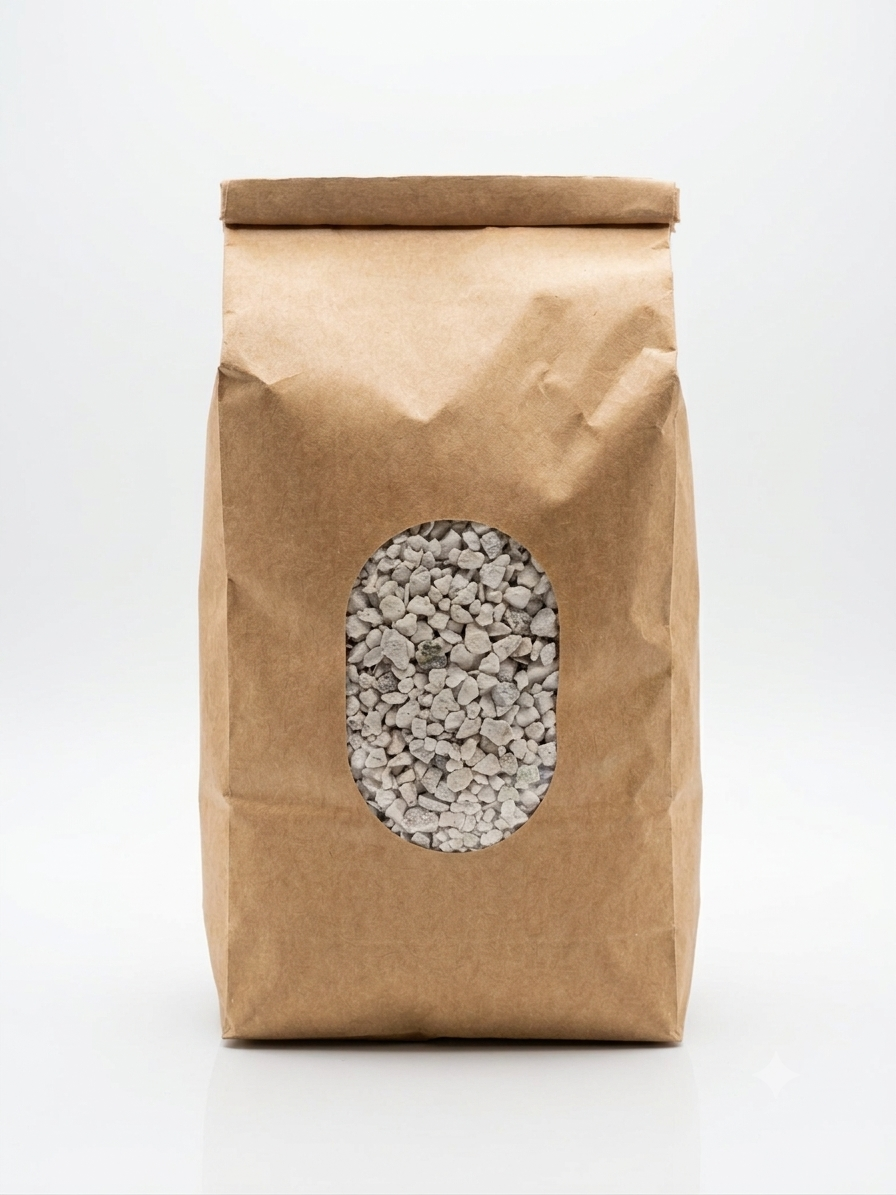
We make oyster shell for chickens, using Maine oyster shells
We gather oyster shells directly from seafood processors in Maine, then wash, heat-sterilize, and crush them into the right shape and consistency for laying hens. If you have questions about calcium from oyster shells, about how to get started with your own flock, or home food systems in general, feel free to reach out to us at systems@oxwhale.com.
FREE SHIPPING!
Five pound bag of crushed oyster shells.
Give your laying hens the natural calcium they need for strong, healthy eggshells. Made from 100% Maine oyster shells; washed, heat-dried, and crushed to the perfect size for your backyard flock.
Benefits:
Prevents thin, rubbery, or easily cracked eggs.
Keeps your high-producing layers from pulling calcium from their own bones.
Contains larger flakes for slow-release digestion, and smaller pieces for fast calcium absorption.
100% Natural. Zero additives, zero synthetic chemicals. Just pure oyster shells.
How to Feed:
Serve "Free-Choice"
Place the crushed shells in a separate, dry dish next to their regular layer feed.
Your hens are incredibly smart. They will naturally eat the right amount of calcium they need, when they need it!
How Many Bags to Get:
One chicken consumes approximately 1 lb. per month.
Each chicken is different, so this will vary based on how much calcium they’re already getting in their diet. Observe your chickens’ eating behavior for the first month to see how much they eat, then you can plan accordingly.
A 5 lb bag is roughly a 1 month supply for a small backyard flock of 5 hens.
1 chicken? One bag should last ~5 months.
5 chickens? One bag should last ~1 month.
10 chickens? We recommend getting two bags, which should last ~1 month.
Citations:
Alabama Cooperative Extension System, Backyard & Small Poultry Flock Management Series: Feeding the Laying Hen (ANR-2913) https://www.aces.edu/wp-content/uploads/2022/09/ANR-2913_FeedingtheLayingHen_080822L-G.pdf
Merck Veterinary Manual, Mineral Deficiencies in Poultry https://www.merckvetmanual.com/poultry/nutrition-and-management-poultry/mineral-deficiencies-in-poultry
Oregon State University Extension, Keep the eggs coming with the right chicken care https://extension.oregonstate.edu/news/keep-eggs-coming-right-chicken-care
eXtension Poultry, Feeding Chickens for Egg Production in Small and Backyard Flocks https://poultry.extension.org/articles/feeds-and-feeding-of-poultry/feeding-chickens-for-egg-production/
Optimizing eggshell quality in extended laying periods (PMC/NIH) https://pmc.ncbi.nlm.nih.gov/articles/PMC12914820/